Skip to content





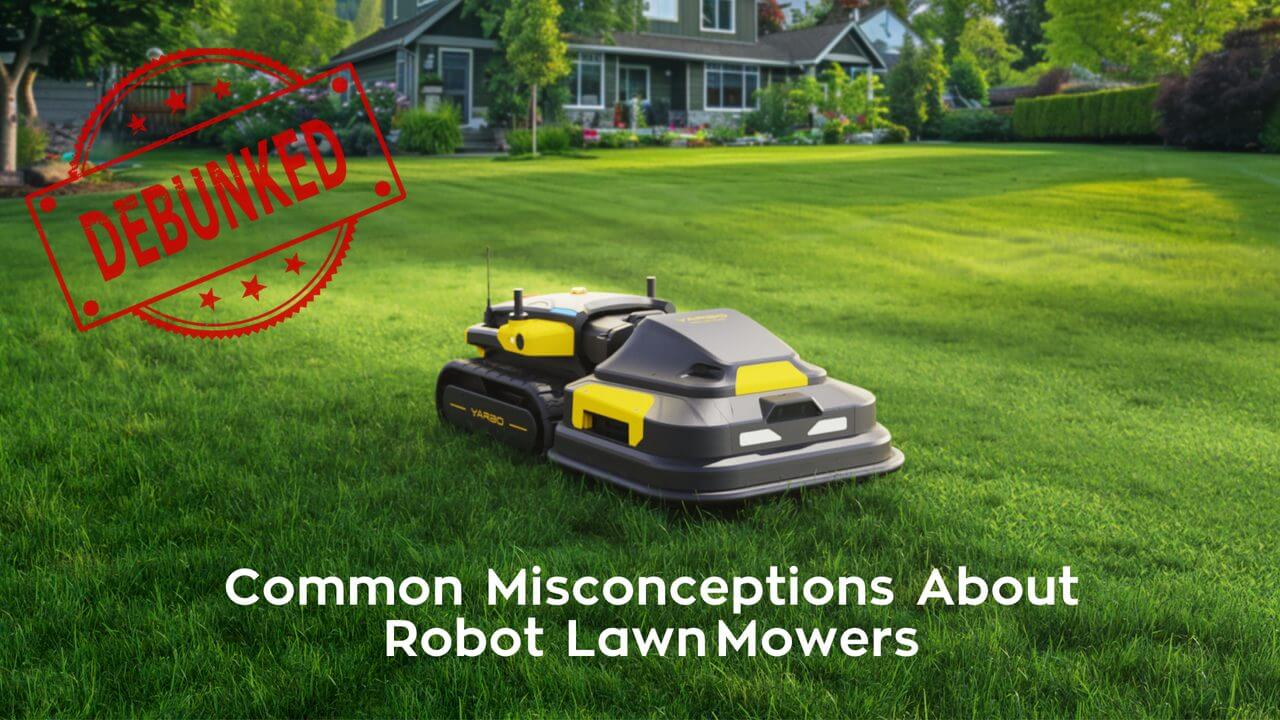
Table Of Contents
Robot lawn mowers have become increasingly popular in recent years, yet they remain surrounded by myths and misunderstandings. These innovative devices, designed to make lawn care easier and more efficient, are often underestimated due to outdated or incorrect assumptions.
Let’s dive in to debunk these misconceptions and help you understand why robot lawn mowers might be the perfect addition to your home.
Table of Contents:
Common Misconceptions About Robotic Grass Mower
Robotic grass mowers are transforming home lawn care — yet many myths about cost, difficulty, and performance still persist. In 2025, smart models are breaking expectations. This guide debunks common robot grass mower myths, highlights real advantages, and shows why these devices are increasingly compelling.
Why These Myths Persist?
As robot mowers gain popularity, skepticism remains rooted in outdated assumptions. People worry about cost, setup complexity, safety, and reliability. Let’s confront those concerns and show how modern robot grass mower technology answers them.
What Are Robot Lawn Mowers?
A robotic grass mower (robot lawn mower) is a self-driving lawn trimming device. It runs on batteries and uses sensors, GPS, RTK systems, or vision and radar to map and maintain your lawn automatically.
-
It defines a mowing boundary (with wires or wire-free tech).
-
It mows on schedule, returns to base to recharge, and repeats with little human effort.

How They Work?
These mowers work by creating a virtual boundary, either through physical wires or GPS mapping, ensuring they stay within designated areas. Once set up, they can handle mowing schedules automatically, leaving your lawn perfectly maintained.
Myth 1: Robot Lawn Mowers Are Too Expensive
Reality: Yes, the initial investment is higher — some models start around or equivalent. But over time, you save on fuel, oil, repairs, and lawn service fees. Over 5 years, a robot mower can cut costs by up to 50% compared to traditional mowers.
Long-Term Savings
Robot mowers are energy-efficient and have minimal maintenance needs, making them a cost-effective solution in the long run.
Myth 2: Installation Is Too Hard
Reality: Modern models use wire-free or RTK-GPS mapping, making setup much easier. For example, some units only take 1–2 hours to map your lawn via a smartphone app and built-in sensors. No need to bury cables or hire professionals.
Myth 3: Unsafe for Pets and Kids
Myth: Robotic mowers pose risks to pets and children due to moving blades.
Reality:
Top robot grass mowers have robust safety features:
-
Lift sensors instantly stop blades when lifted
-
Obstacle detection via cameras, ultrasonic radars, and sensors
-
Emergency stop mechanisms These systems help them operate safely even around children and pets.
Myth 4: Poor Performance on Large or Uneven Lawns
Myth: Robotic mowers struggle with large lawns, slopes, or uneven terrain.
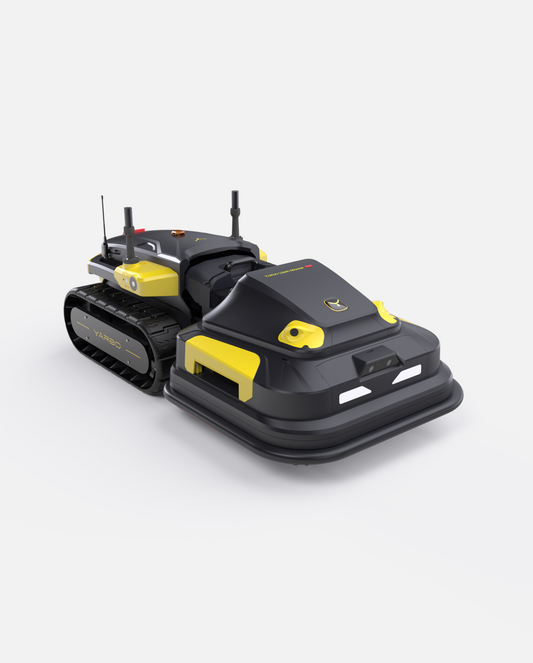
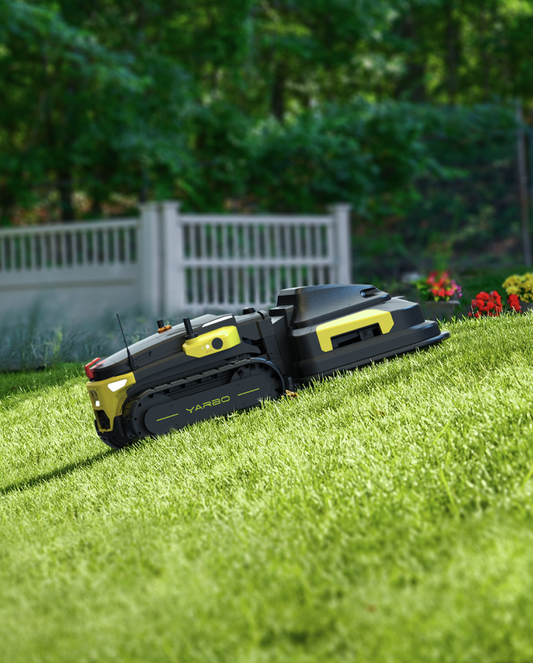
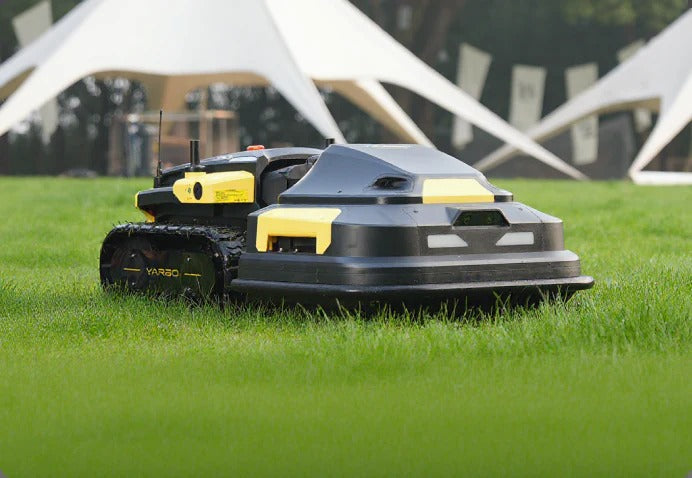
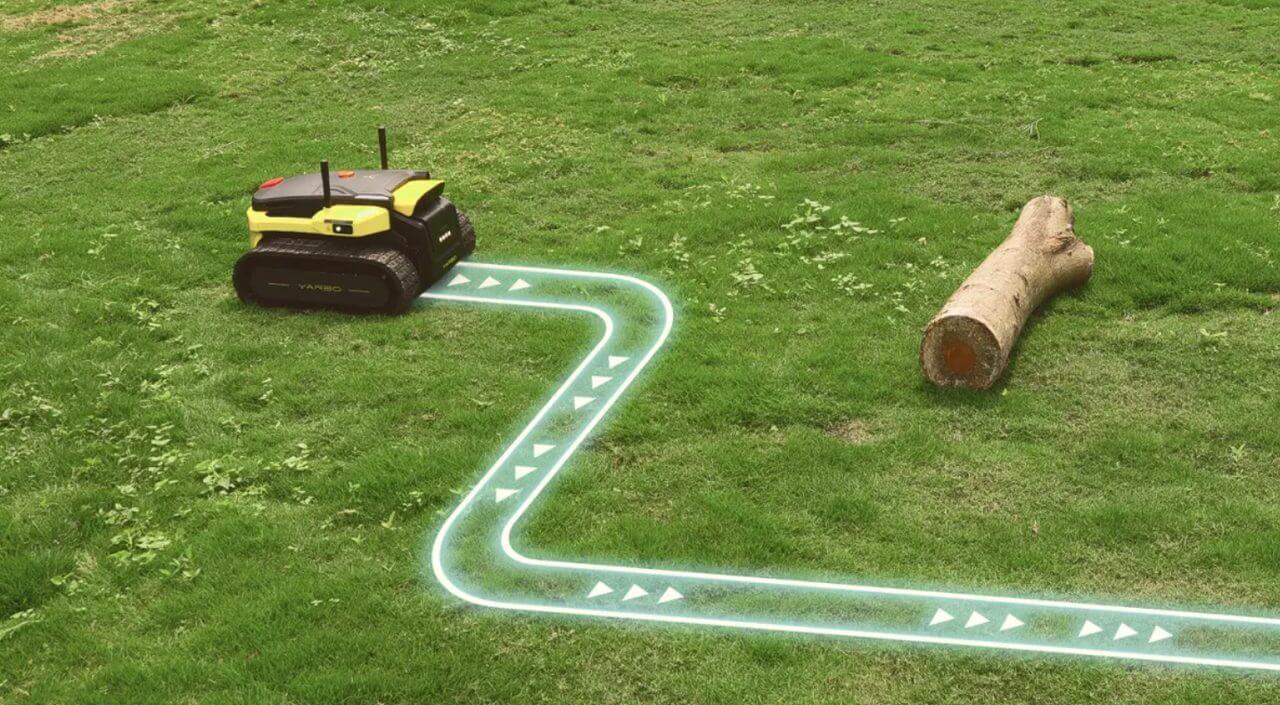
Reality: Yarbo covers up to 6 acres and handles slopes up to 35° with its all-terrain tracks and flexible mower frame. Its dual 20-inch cutting discs ensure a clean, uniform cut, even in dense grass. Unlike competitors like the Husqvarna Automower (0.5 acres), Yarbo matches commercial mowers, per PCMag.

Myth 5: They Are Not Environmentally Friendly
Energy Efficiency Compared to Gas Mowers
Because they use electric motors, robot grass mowers produce zero direct emissions. They run quietly, reduce noise pollution, and return finely mulched grass to the soil, promoting healthy lawn ecosystems.

Noise and Pollution Reduction
They operate quietly, reducing noise pollution and making them ideal for residential areas.
Myth 6: They Require Constant Supervision
Autonomous Operations
Robot mowers are designed to work independently, returning to their charging stations when needed.
These mowers are built for autonomy. Once scheduled, they mow independently and dock to recharge as needed—no constant supervision required.
Scheduled Mowing
Users can set schedules for automatic mowing, ensuring the lawn is always neat without constant monitoring.

Camera Control and Monitoring
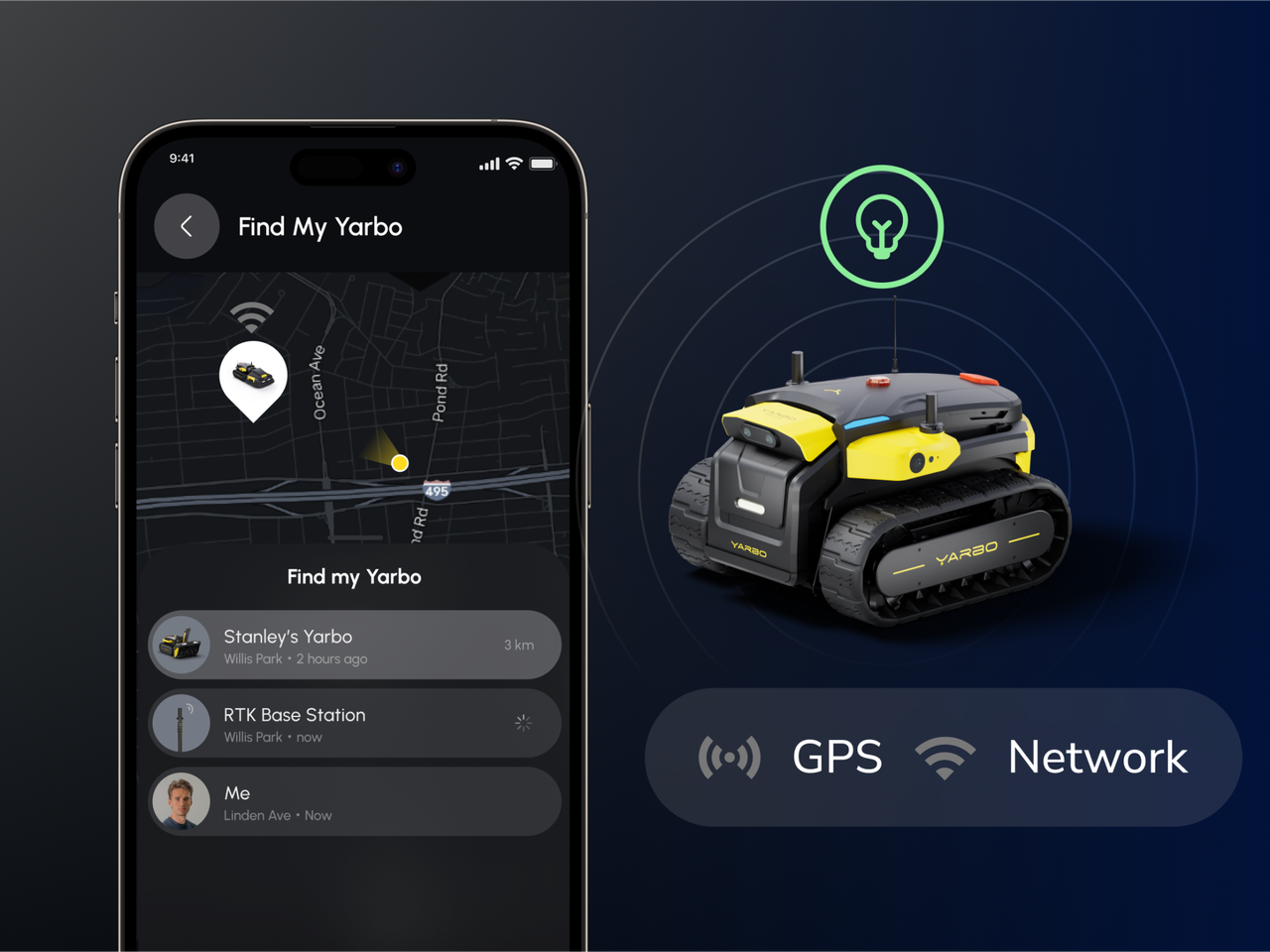
Many modern robot lawn mowers now come equipped with cameras or can integrate with external camera systems. These allow users to monitor the mower's progress in real-time through smartphone apps or dedicated devices.
Camera monitoring adds an extra layer of convenience and security, ensuring you can keep an eye on your lawn remotely, even if you’re not at home.
Myth 7: Can’t Handle Bad Weather
Myth: Robotic mowers fail in rain or extreme temperatures.
Reality: Yarbo’s weather-resistant design operates in light rain and temperatures from -4°F to 104°F. It pauses during heavy rain to protect the lawn and resumes automatically. Its 38.4 Ah battery maintains performance in cold or heat, unlike some models that overheat, as noted in Yarbo’s specs.
Advantages of Using a Robotic Grass Mower
-
Time savings: you reclaim weekends no longer spent pushing a mower
-
Consistent lawn appearance: frequent trimming keeps your lawn healthy and uniform
-
Less physical effort: ideal for homeowners with mobility limits
-
Smart home integration: control via apps, set zones, monitor remotely
-
Eco benefits: reduced emissions, lower noise, healthier grass
Who Should Consider a Robot Lawn Mower?
Busy Homeowners
For those juggling work and family, robot mowers are a lifesaver.
Elderly or Physically Limited Individuals
These devices make lawn care accessible for everyone.
Tech Enthusiasts
If you love smart home gadgets, a robot lawn mower is a must-have addition.
Debunking the Myths: Real-Life Experiences
Homeowners who switched to robot grass mowers often highlight the change in routine and reduced effort. One user on a forum said:
“I feel very good about mine… it mows the lawn just above the height my reel mower cuts, and I only need to come in once a week to trim the top.”
Another remarked on the long-term payoff of replacing paid mowing services after investing in a robotic unit.
Additionally, review sites and comparison guides from 2025 show that modern robots (like those by Mammotion, Husqvarna, Eufy) deliver strong performance, efficiency, and ease-of-use.
Choosing the Right Robot Grass Mower for You
When comparing models, focus on:
-
Coverage Area & Slope Capacity — ensure it covers your lawn size and incline
-
Boundary System — wire-based vs wire-free (GPS/RTK/vision)
-
Safety Features — lift sensors, obstacle detection, emergency stops
-
Battery & Runtime — longer runtime = larger coverage
-
App/Control & Smart Features — scheduling, remote monitoring, firmware updates
-
Maintenance Costs — blade replacements, cleaning, servicing
-
Price vs Value — if a model offers better specs vs a cheaper one, the upgrade might be worth
After doing some research and market analysis and going thorugh some robot grass mower reviews, you should be able to make an informed decision about the robot lawn mower you would require so you dont face any of the common issues that people face.
Conclusion
Robot lawn mowers are not just a luxury—they’re a practical, eco-friendly, and efficient solution for modern lawn care. By debunking common misconceptions, it’s clear these devices have much to offer. If you’re considering upgrading your lawn care routine, a robot mower might be just what you need.
FAQs
1.What is a robotic grass mower and how does it work?
A robotic grass mower (or robot lawn mower) is an autonomous device that cuts your lawn automatically, using boundary wires, GPS/RTK, sensors, or vision systems to navigate.
A robotic grass mower (or robot lawn mower) is an autonomous device that cuts your lawn automatically, using boundary wires, GPS/RTK, sensors, or vision systems to navigate.
2.What features should I look for in a robot grass mower?
Key features include coverage area, slope capability, boundary system (wire vs wire-free), safety sensors, battery runtime, app control, and maintenance costs.
3. How safe are robot grass mowers around pets and children?
Modern units include lift sensors, obstacle detection, emergency stops, and camera or radar systems to stop blades if they detect a child or pet.
4.Can a robot grass mower handle slopes and uneven terrain?
Yes — many models manage slopes of 25–35° using tracks, all-wheel drive, or flexible frames. The newer ones even adapt to uneven ground.
5.How do robot grass mower reviews rate common models?
Reviews often highlight user experience, ease of setup, cut quality, reliability. For example, devices from Yarbo, Mammotion, Husqvarna, Eufy, and others are frequently tested and compared in 2025 guides.
Table Of Contents
Subscribe
- Afghanistan+93
- Albania+355
- Algeria+213
- Andorra+376
- Angola+244
- Antigua and Barbuda+1268
- Argentina+54
- Armenia+374
- Aruba+297
- Australia+61
- Austria+43
- Azerbaijan+994
- Bahamas+1242
- Bahrain+973
- Bangladesh+880
- Barbados+1246
- Belarus+375
- Belgium+32
- Belize+501
- Benin+229
- Bhutan+975
- Bolivia+591
- Bosnia and Herzegovina+387
- Botswana+267
- Brazil+55
- British Indian Ocean Territory+246
- Brunei+673
- Bulgaria+359
- Burkina Faso+226
- Burundi+257
- Cambodia+855
- Cameroon+237
- Canada+1
- Cape Verde+238
- Caribbean Netherlands+599
- Central African Republic+236
- Chad+235
- Chile+56
- China+86
- Colombia+57
- Comoros+269
- Congo+243
- Congo+242
- Costa Rica+506
- Côte d’Ivoire+225
- Croatia+385
- Cuba+53
- Curaçao+599
- Cyprus+357
- Czech Republic+420
- Denmark+45
- Djibouti+253
- Dominica+1767
- Dominican Republic+1
- Ecuador+593
- Egypt+20
- El Salvador+503
- Equatorial Guinea+240
- Eritrea+291
- Estonia+372
- Ethiopia+251
- Fiji+679
- Finland+358
- France+33
- French Guiana+594
- French Polynesia+689
- Gabon+241
- Gambia+220
- Georgia+995
- Germany+49
- Ghana+233
- Greece+30
- Grenada+1473
- Guadeloupe+590
- Guam+1671
- Guatemala+502
- Guinea+224
- Guinea-Bissau+245
- Guyana+592
- Haiti+509
- Honduras+504
- Hong Kong+852
- Hungary+36
- Iceland+354
- India+91
- Indonesia+62
- Iran+98
- Iraq+964
- Ireland+353
- Israel+972
- Italy+39
- Jamaica+1876
- Japan+81
- Jordan+962
- Kazakhstan+7
- Kenya+254
- Kiribati+686
- Kosovo+383
- Kuwait+965
- Kyrgyzstan+996
- Laos+856
- Latvia+371
- Lebanon+961
- Lesotho+266
- Liberia+231
- Libya+218
- Liechtenstein+423
- Lithuania+370
- Luxembourg+352
- Macau+853
- Macedonia+389
- Madagascar+261
- Malawi+265
- Malaysia+60
- Maldives+960
- Mali+223
- Malta+356
- Marshall Islands+692
- Martinique+596
- Mauritania+222
- Mauritius+230
- Mexico+52
- Micronesia+691
- Moldova+373
- Monaco+377
- Mongolia+976
- Montenegro+382
- Morocco+212
- Mozambique+258
- Myanmar+95
- Namibia+264
- Nauru+674
- Nepal+977
- Netherlands+31
- New Caledonia+687
- New Zealand+64
- Nicaragua+505
- Niger+227
- Nigeria+234
- North Korea+850
- Norway+47
- Oman+968
- Pakistan+92
- Palau+680
- Palestine+970
- Panama+507
- Papua New Guinea+675
- Paraguay+595
- Peru+51
- Philippines+63
- Poland+48
- Portugal+351
- Puerto Rico+1
- Qatar+974
- Réunion+262
- Romania+40
- Russia+7
- Rwanda+250
- Saint Kitts and Nevis+1869
- Saint Lucia+1758
- Saint Vincent and the Grenadines+1784
- Samoa+685
- San Marino+378
- São Tomé and Príncipe+239
- Saudi Arabia+966
- Senegal+221
- Serbia+381
- Seychelles+248
- Sierra Leone+232
- Singapore+65
- Slovakia+421
- Slovenia+386
- Solomon Islands+677
- Somalia+252
- South Africa+27
- South Korea+82
- South Sudan+211
- Spain+34
- Sri Lanka+94
- Sudan+249
- Suriname+597
- Swaziland+268
- Sweden+46
- Switzerland+41
- Syria+963
- Taiwan+886
- Tajikistan+992
- Tanzania+255
- Thailand+66
- Timor-Leste+670
- Togo+228
- Tonga+676
- Trinidad and Tobago+1868
- Tunisia+216
- Turkey+90
- Turkmenistan+993
- Tuvalu+688
- Uganda+256
- Ukraine+380
- United Arab Emirates+971
- United Kingdom+44
- United States+1
- Uruguay+598
- Uzbekistan+998
- Vanuatu+678
- Vatican City+39
- Venezuela+58
- Vietnam+84
- Yemen+967
- Zambia+260
- Zimbabwe+263
I understand the Privacy Policy and agree to receive personalized messages from Yarbo by email or SMS.
You have successfully subscribed!!
Check your welcome email for exclusive discounts.
Email Check Needed
We are unable to verify your email address.
Please check if the email
is correct.