Skip to content


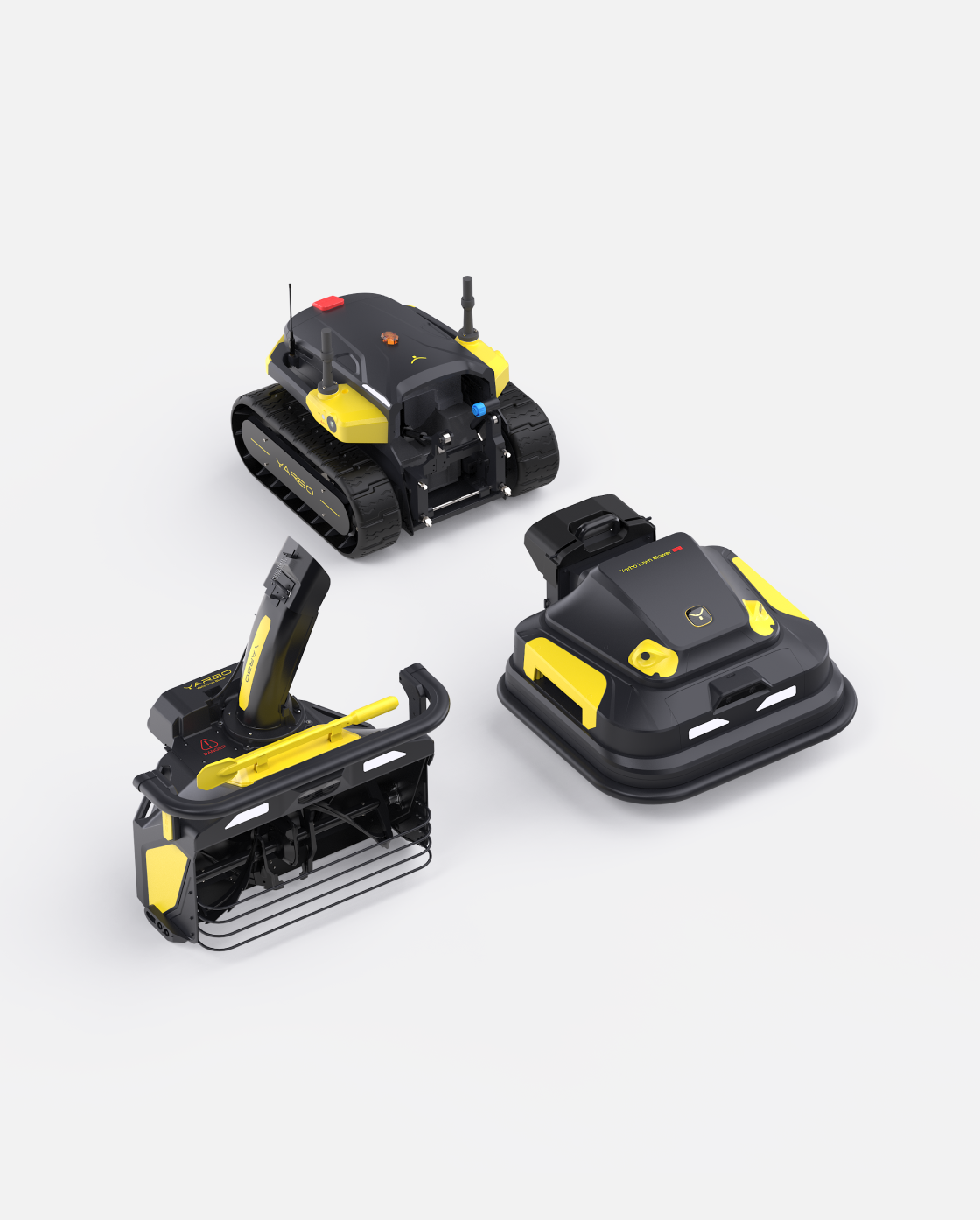
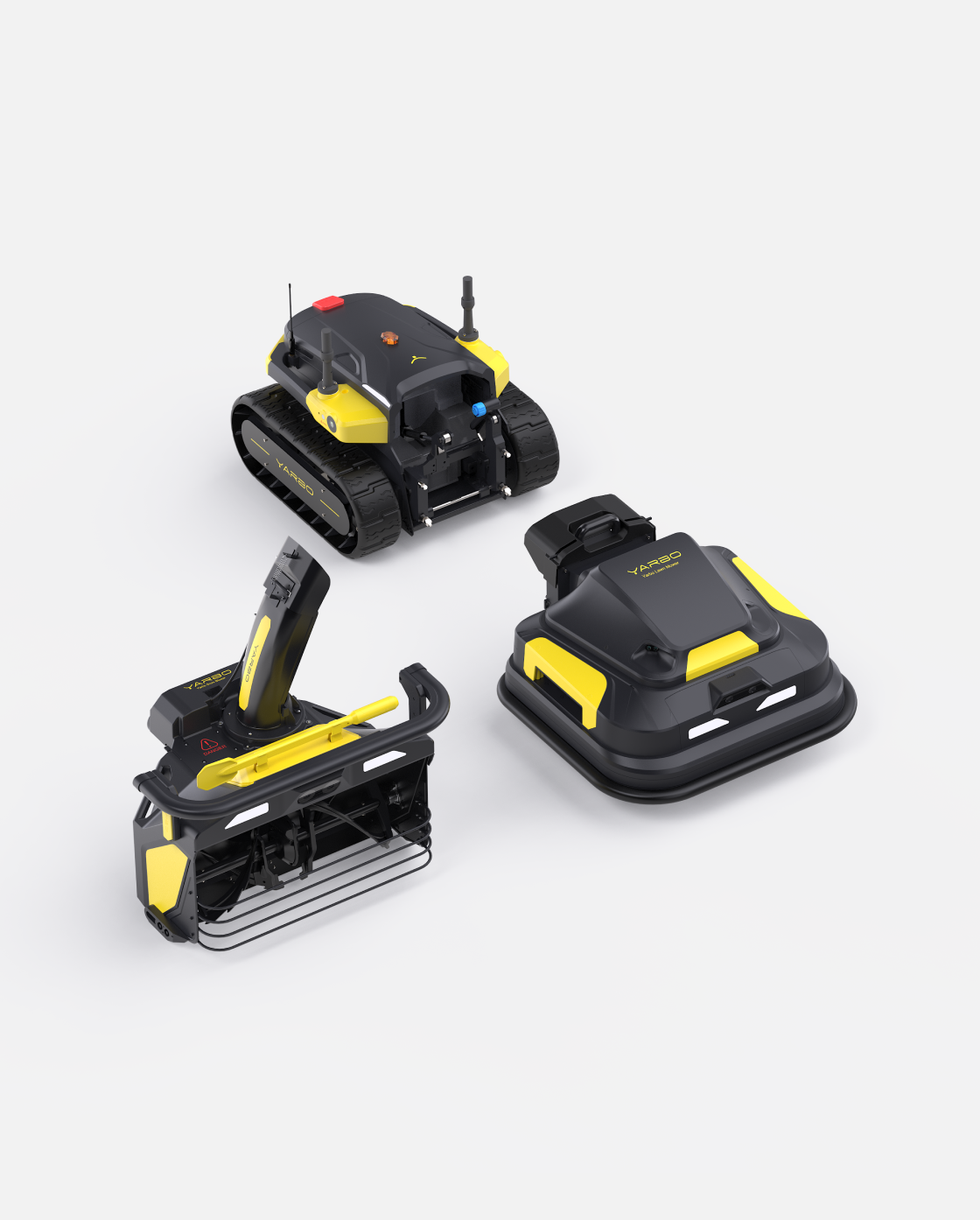



Table Of Contents
Winter snow removal can be a daunting task, especially when manual shoveling or heavy gas snow blowers become exhausting and time-consuming. Enter the battery-powered snow blower, an increasingly popular solution for homeowners seeking efficiency, portability, and low-maintenance performance.
With a battery operated snow blower, you can clear your driveway or walkway without the hassle of fuel, cords, or constant maintenance. In this guide, we’ll break down everything you need to know to select the right cordless snow blower for your needs.
Table Of Content:
Why a Battery Snow Blower Makes Sense
Battery operated snow blower are transforming the way homeowners tackle winter snow. Unlike traditional gas snow blowers, battery-operated models provide:
-
Portability: Cordless freedom allows you to move effortlessly without worrying about extension cords.
-
Low Maintenance: No fuel mixing, spark plugs, or oil changes are required.
-
Eco-Friendly Operation: Zero emissions compared to gas models.
-
Quiet Performance: Operate without the loud roar of gas engines.
In comparison to corded electric models, battery operated snow blowers offer better maneuverability and more flexibility, while still providing enough power for light to moderate snowfalls.
Key Parameters to Evaluate Before Buying a Cordless Snow Blower
Choosing the right battery-powered snow blower involves considering multiple factors:
-
Battery & Motor Specs
-
Clearing Capacity (Width & Depth)
-
Weight and Maneuverability
-
Build Quality
-
Safety Features
-
Storage Options
Each factor impacts performance, efficiency, and ease of use. Let’s examine these in detail.
Battery & Motor: What Voltage, Amp-Hours, and Run Time Matter
The heart of a battery operated snow blower is its battery. Key specifications include:
-
Voltage (V): Higher voltage generally means more power for deeper snow. Common options: 40V, 60V, or even 80V.
-
Amp-Hours (Ah): Determines runtime. A 4 Ah battery typically lasts 20–30 minutes, while higher Ah batteries allow longer operation.
-
Motor Power: Brushless motors are more efficient and durable, giving you better snow clearing performance.
For heavy snow, prioritize higher voltage and capacity. For small driveways or walkways, a moderate battery can suffice.
Clearing Capacity: Width, Depth, and Throwing Distance
How much snow a blower can move depends on:

-
Clearing Width: Wider units cover more ground per pass but may be heavier and less maneuverable.
-
Clearing Depth: Indicates how much snow the blower can handle in one pass.
-
Throwing Distance: Determines how far snow is expelled; essential for avoiding pile-up near edges.
A compact battery-operated snow blower works best for narrow paths, while larger models suit longer driveways.
Construction Quality, Weight, and Maneuverability
Ergonomics matter. Consider:
-
Weight: Battery-powered models are lighter than gas blowers, easing handling.
-
Wheels & Tracks: Good traction is vital for icy or uneven surfaces.
-
Ergonomic Handles: Adjustable height and comfort grip reduce strain during long snow clearing sessions.
Durable housing and reinforced augers increase longevity, ensuring your investment lasts several winters.
Typical Use Cases: Which Snow Blower Fits Your Needs
Matching battery operated snow blower size to your needs is crucial:
-
Small Walkways / Patios: Lightweight 40V battery models are ideal.
-
Medium Driveways: 60V units with wider clearing widths handle most residential snowfalls efficiently.
-
Heavy Snow Regions: Consider high-capacity 80V or dual battery systems for extended runtime.
Battery-powered snow blowers are generally best for light to moderate snow; extremely deep or heavy snow may still require gas-powered models.
Pros & Cons of Battery-Operated vs Gas / Electric Snow Blowers
Pros:
-
Zero emissions, low noise, low maintenance, portability
Cons:
-
Limited runtime, slightly less power than gas, higher upfront cost
Comparison Table:
| Feature | Battery Snow Blower | Gas Snow Blower | Corded Electric |
| Power | Moderate-High | High | Moderate |
| Runtime | 20–60 min | Unlimited | Unlimited |
| Noise | Low | High | Low |
| Maintenance | Low | High | Low |
| Portability | High | Medium | Low |
How to Choose the Right Battery Snow Blower for Your Home
Decision Checklist:
-
Assess typical snowfall in your area.
-
Measure driveway, walkway, and paths.
-
Choose battery voltage & capacity based on snow depth.
-
Consider weight and ergonomics.
-
Ensure safety features meet your standards.
-
Check manufacturer warranty and customer reviews.
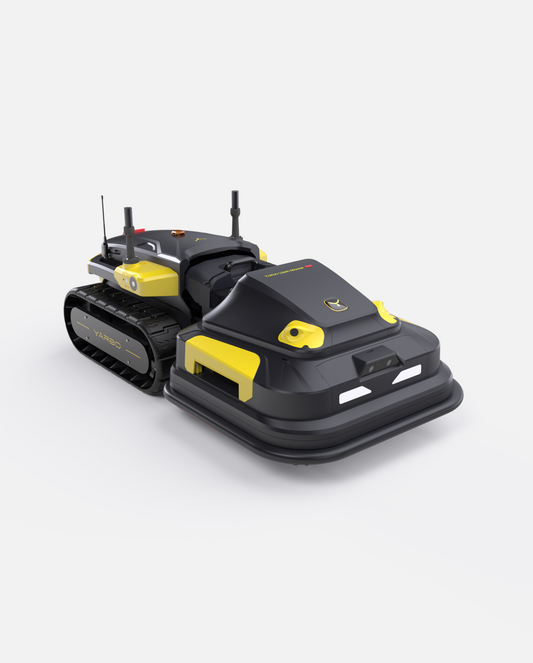
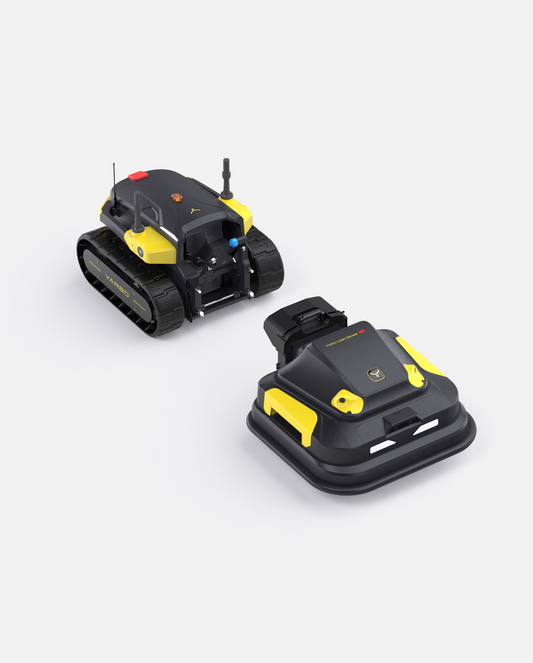
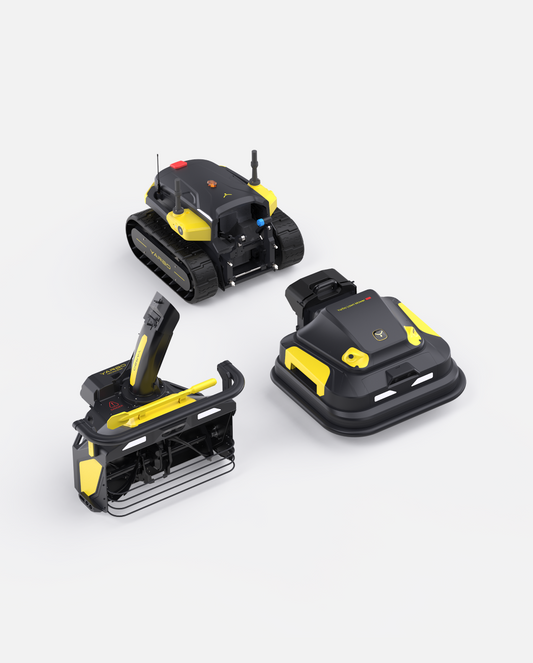
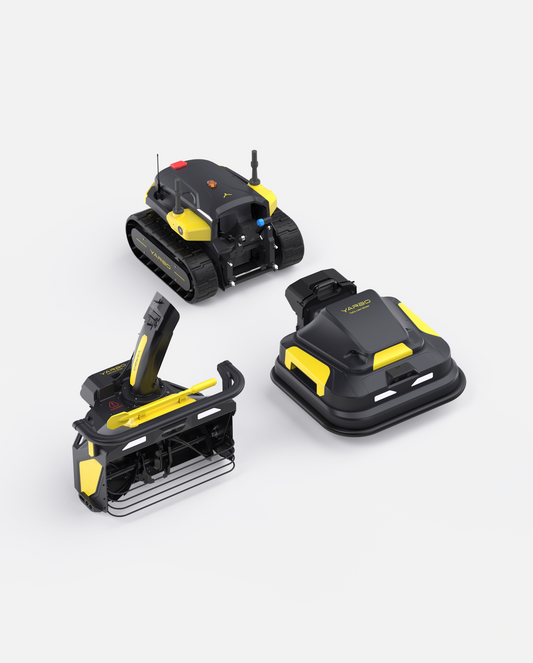
Yarbo’s battery powered snow blowers offer a balanced combination of power, portability, and durability making them a top choice for residential use.
Final Thoughts & Recommendation
Choosing a battery powered snow blower boils down to balancing your snow-clearing needs with convenience, runtime, and budget. For most residential properties, battery operated snow blower provide an excellent mix of portability, eco-friendliness, and ease of use.
Consider your snow conditions, driveway size, and ergonomic preferences when selecting the best model. Check Yarbo official site for the latest models, specifications, and user reviews before making a purchase.
Frequently Asked Questions (FAQs)
-
How long does a battery snow blower last per charge?
Most models last 20–40 minutes, depending on voltage, Ah, and snow density. Some dual-battery systems double runtime.
-
Can a battery operated snow blower handle heavy snow?
Battery snow blowers are ideal for light to moderate snow. Deep, wet snow may require multiple passes or a gas-powered model.
-
How do I maintain my battery snow blower?
Charge fully before winter storage, avoid moisture, inspect the auger, and lubricate moving parts periodically.
-
Is a cordless snow blower safer than gas models?
Yes, they are quieter, easier to start, and don’t involve combustible fuel, reducing some safety risks.
-
Can I use multiple batteries for longer runtime?
Yes, many models support dual batteries or swapping batteries mid-session for extended operation.
-
What is the difference between battery operate snow blowers?
Corded models provide unlimited runtime but restrict mobility. Battery snow blowers are portable and flexible but limited by battery capacity.
Table Of Contents
Subscribe
- Afghanistan+93
- Albania+355
- Algeria+213
- Andorra+376
- Angola+244
- Antigua and Barbuda+1268
- Argentina+54
- Armenia+374
- Aruba+297
- Australia+61
- Austria+43
- Azerbaijan+994
- Bahamas+1242
- Bahrain+973
- Bangladesh+880
- Barbados+1246
- Belarus+375
- Belgium+32
- Belize+501
- Benin+229
- Bhutan+975
- Bolivia+591
- Bosnia and Herzegovina+387
- Botswana+267
- Brazil+55
- British Indian Ocean Territory+246
- Brunei+673
- Bulgaria+359
- Burkina Faso+226
- Burundi+257
- Cambodia+855
- Cameroon+237
- Canada+1
- Cape Verde+238
- Caribbean Netherlands+599
- Central African Republic+236
- Chad+235
- Chile+56
- China+86
- Colombia+57
- Comoros+269
- Congo+243
- Congo+242
- Costa Rica+506
- Côte d’Ivoire+225
- Croatia+385
- Cuba+53
- Curaçao+599
- Cyprus+357
- Czech Republic+420
- Denmark+45
- Djibouti+253
- Dominica+1767
- Dominican Republic+1
- Ecuador+593
- Egypt+20
- El Salvador+503
- Equatorial Guinea+240
- Eritrea+291
- Estonia+372
- Ethiopia+251
- Fiji+679
- Finland+358
- France+33
- French Guiana+594
- French Polynesia+689
- Gabon+241
- Gambia+220
- Georgia+995
- Germany+49
- Ghana+233
- Greece+30
- Grenada+1473
- Guadeloupe+590
- Guam+1671
- Guatemala+502
- Guinea+224
- Guinea-Bissau+245
- Guyana+592
- Haiti+509
- Honduras+504
- Hong Kong+852
- Hungary+36
- Iceland+354
- India+91
- Indonesia+62
- Iran+98
- Iraq+964
- Ireland+353
- Israel+972
- Italy+39
- Jamaica+1876
- Japan+81
- Jordan+962
- Kazakhstan+7
- Kenya+254
- Kiribati+686
- Kosovo+383
- Kuwait+965
- Kyrgyzstan+996
- Laos+856
- Latvia+371
- Lebanon+961
- Lesotho+266
- Liberia+231
- Libya+218
- Liechtenstein+423
- Lithuania+370
- Luxembourg+352
- Macau+853
- Macedonia+389
- Madagascar+261
- Malawi+265
- Malaysia+60
- Maldives+960
- Mali+223
- Malta+356
- Marshall Islands+692
- Martinique+596
- Mauritania+222
- Mauritius+230
- Mexico+52
- Micronesia+691
- Moldova+373
- Monaco+377
- Mongolia+976
- Montenegro+382
- Morocco+212
- Mozambique+258
- Myanmar+95
- Namibia+264
- Nauru+674
- Nepal+977
- Netherlands+31
- New Caledonia+687
- New Zealand+64
- Nicaragua+505
- Niger+227
- Nigeria+234
- North Korea+850
- Norway+47
- Oman+968
- Pakistan+92
- Palau+680
- Palestine+970
- Panama+507
- Papua New Guinea+675
- Paraguay+595
- Peru+51
- Philippines+63
- Poland+48
- Portugal+351
- Puerto Rico+1
- Qatar+974
- Réunion+262
- Romania+40
- Russia+7
- Rwanda+250
- Saint Kitts and Nevis+1869
- Saint Lucia+1758
- Saint Vincent and the Grenadines+1784
- Samoa+685
- San Marino+378
- São Tomé and Príncipe+239
- Saudi Arabia+966
- Senegal+221
- Serbia+381
- Seychelles+248
- Sierra Leone+232
- Singapore+65
- Slovakia+421
- Slovenia+386
- Solomon Islands+677
- Somalia+252
- South Africa+27
- South Korea+82
- South Sudan+211
- Spain+34
- Sri Lanka+94
- Sudan+249
- Suriname+597
- Swaziland+268
- Sweden+46
- Switzerland+41
- Syria+963
- Taiwan+886
- Tajikistan+992
- Tanzania+255
- Thailand+66
- Timor-Leste+670
- Togo+228
- Tonga+676
- Trinidad and Tobago+1868
- Tunisia+216
- Turkey+90
- Turkmenistan+993
- Tuvalu+688
- Uganda+256
- Ukraine+380
- United Arab Emirates+971
- United Kingdom+44
- United States+1
- Uruguay+598
- Uzbekistan+998
- Vanuatu+678
- Vatican City+39
- Venezuela+58
- Vietnam+84
- Yemen+967
- Zambia+260
- Zimbabwe+263
I understand the Privacy Policy and agree to receive personalized messages from Yarbo by email or SMS.
You have successfully subscribed!!
Check your welcome email for exclusive discounts.
Email Check Needed
We are unable to verify your email address.
Please check if the email
is correct.